

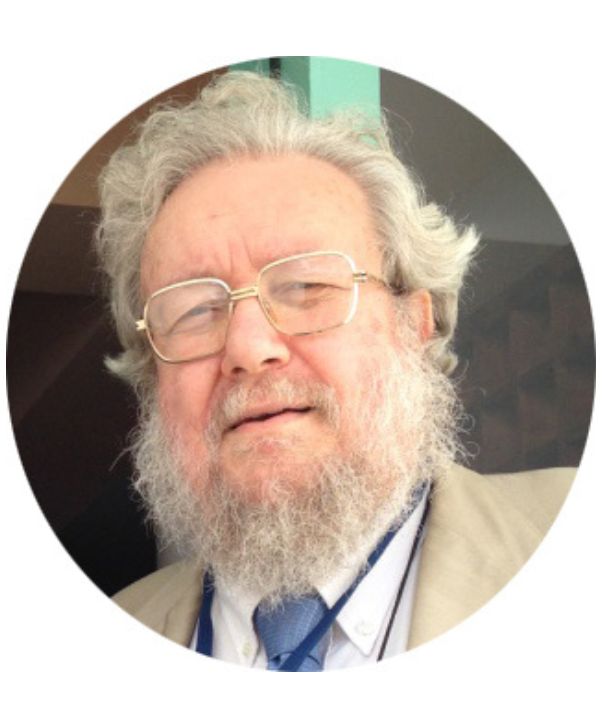
Prof. Francesco Zannini
Doctor in Modern Foreign Languages at Sacred Heart University in Milan (with a thesis on the Tafsîr al-Jalâlayn), Francesco Zannini continued his studies at the American University in Cairo. He has conducted research and lectured in Europe, Arab, and Asian Countries, as well as in the USA, where he was a Post-Doctoral Fellow at Yale University, a Visiting Scholar at C.T.U., Chicago, and at the Center for Middle Eastern Studies of the University of Chicago.
He spent several years in Bangladesh, where he was Professor of Islamic Studies at National Major Seminary in Dhaka, and he taught Italian Language at Dhaka University. He was also an advisor at the Italian Embassy in Bangladesh.
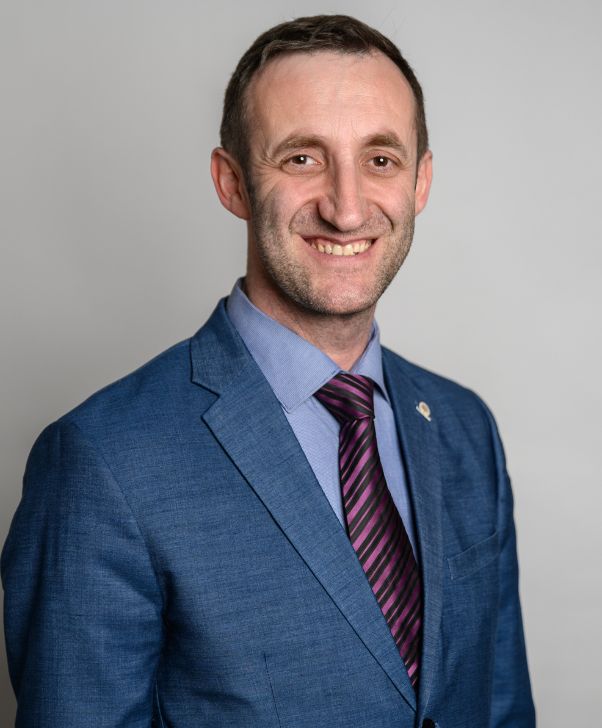
Dr. Genti Kruja
Genti Kruja is a lecturer of Sociology of Religion, Intercultural and Interfaith Communication, and Interreligious Dialogue at Bedër University College and the Secretary General of the Inter-Religious Council of Albania.
Genti Kruja participated and contributed to many international conferences on Education, Freedom of Religion, and Interfaith Dialogue. He is the author of a lot of research papers and book chapters published by leading publishing houses as well as the author of the books “Albanians Facing the Challenges of Interfaith Understanding” and “History of Interfaith Dialogue”.
In 2021, he was elected as a member of the European Union External Action Service (GERIS). In 2022, he participated in the Exchange program at Seattle University, Washington, sponsored by the U.S. Department of State; he was elected as expert of Religious Freedom at OSCE Office for Democratic Institutions and Human Rights (ODIHR) (2022-2025 & 2025-2028); International Fellow of the KAICIID.
In 2024, he was elected President of European National Interreligious Bodies (ENIB) in Religions for Peace Europe, and in January 2025, he was elected President of Religions for Peace Europe.
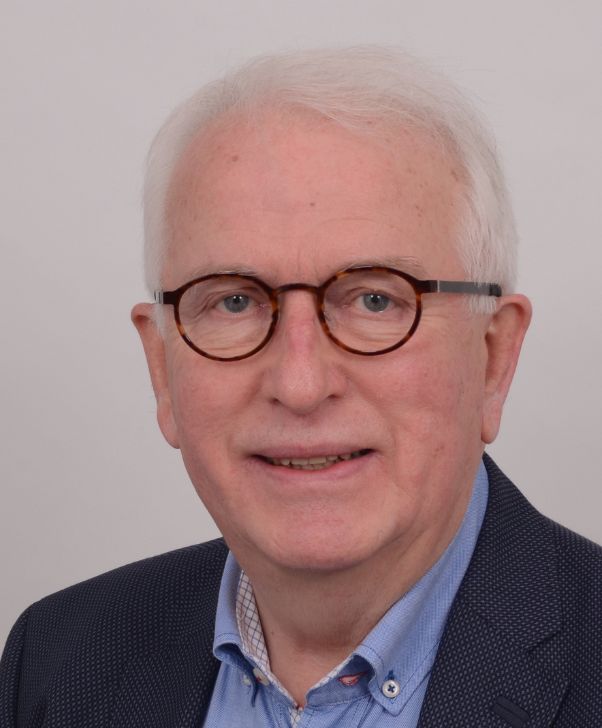
Prof. Han Entzinger
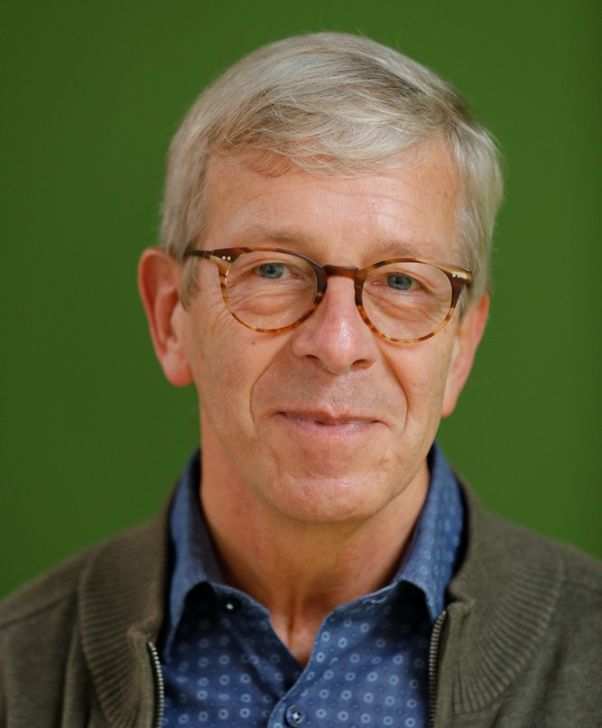
Prof. Ides Nicaise
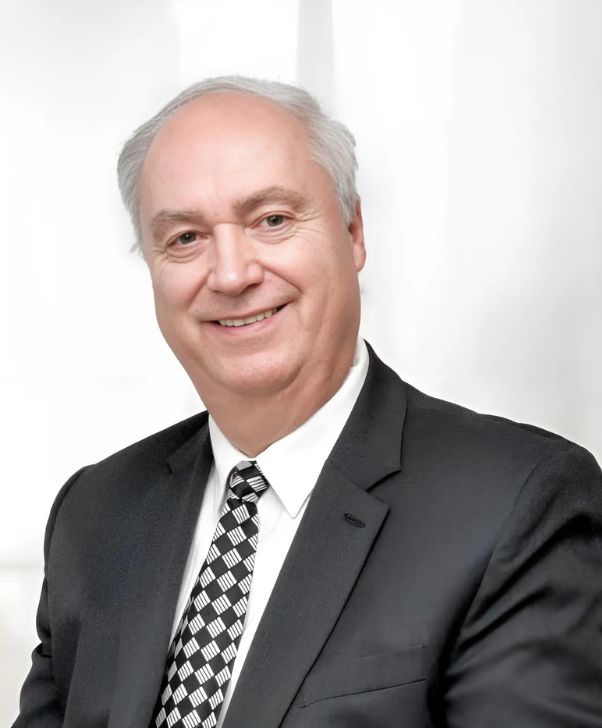
Prof. Imre Tokics
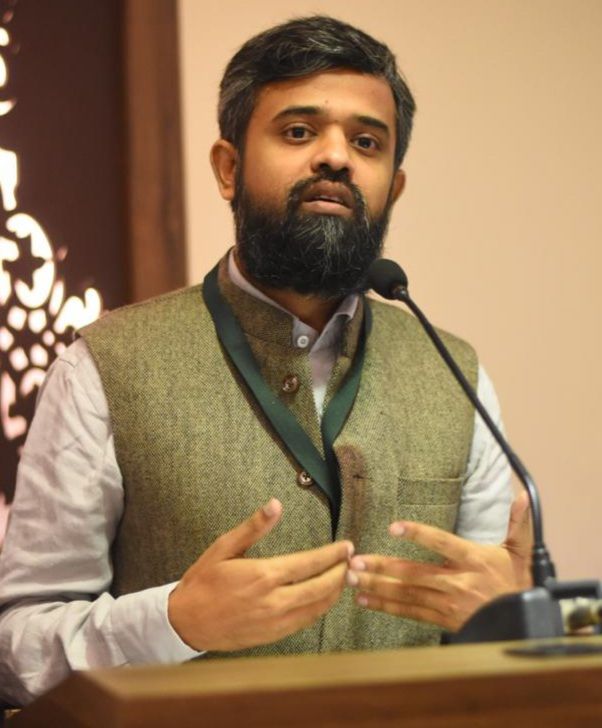
Dr. Irfanullah Farooqi
Irfanullah Farooqi studied sociology at Jawaharlal Nehru University (JNU), New Delhi. Currently, he is associated with the Humanities and Liberal Arts division of Indian Institute of Management, Kozhikode (IIMK). Prior to joining IIMK, he taught at the South Asian University, New Delhi, Aligarh Muslim University, Aligarh, and Jamia Millia Islamia, New Delhi. He is interested in the intersections of literature, history, and politics. Currently, he finds himself inclined towards questions pertaining to identity, secular-religious exchange, media-culture dynamics, education, and academic freedom.
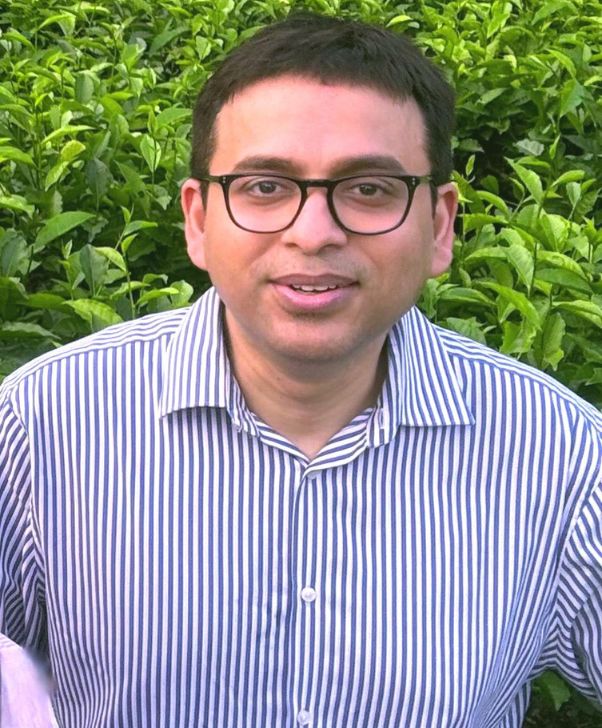
Mr. Kallol Bhattacharjee
Kallol Bhattacherjee is a Senior Assistant Editor with The Hindu, where he writes on India’s foreign affairs and the South Asian neighbourhood. He is the author of Nehru’s First Recruits: The Diplomats Who Built Independent India’s Foreign Policy (HarperCollins Publishers India, 2024), A Singular Spy: The Untold Story of Coomar Narain (Bloomsbury India, 2024), The Great Game in Afghanistan: Rajiv Gandhi, General Zia and the Unending War (HarperCollins Publishers India, 2017).
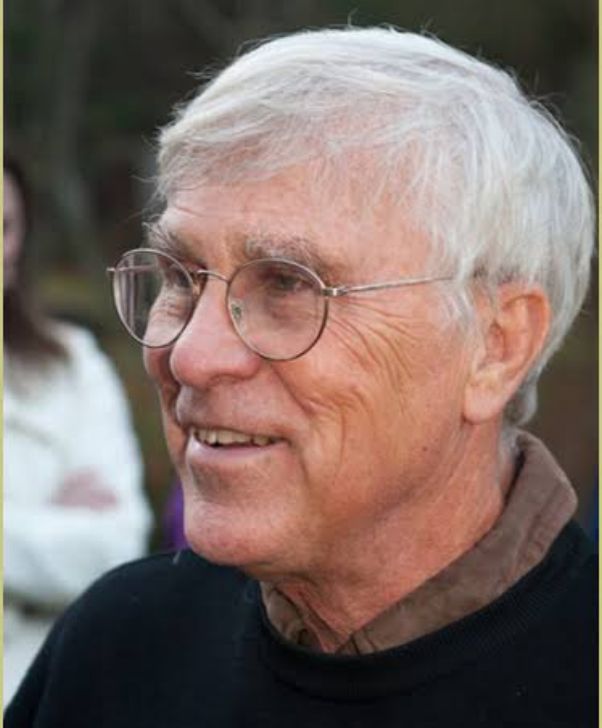
Prof. Mark Juergensmeyer
Mark Juergensmeyer is Distinguished Professor Emeritus of Global Studies, Sociology, and affiliate of Religious Studies at the University of California, Santa Barbara, where he was the founding director of the Global and International Studies Program and the Orfalea Center for Global and International Studies. He is an expert on religious violence, conflict resolution and South Asian religion and politics, and has published more than three hundred articles and thirty books, including When God Stops Fighting: How Religious Violence Ends (University of California Press, 2022), God at War: A Meditation on Religion and Warfare (Oxford, 2021), and the co-authored God in the Tumult of the Global Square: Religion in Global Civil Society (University of California Press, 2015; co-authored with Dinah Griego and John Soboslai). His widely-read Terror in the Mind of God: The Global Rise of Religious Violence (University of California Press, fourth edition in 2017), is based on interviews with religious activists around the world–including Jihadi activists, ISIS supporters, leaders of Hamas, and abortion clinic bombers in the United States; an earlier edition was listed by the Washington Post and the Los Angeles Times as one of the best nonfiction books of the year. The first edition of a companion volume, Global Rebellion: Religious Challenges to the Secular State (University of California Press, 2008) was named by the New York Times as one of the notable books of the year.
His book on Gandhian conflict resolution has been reprinted as Gandhi’s Way (University of California Press, Updated Edition, 2005), and was selected as Community Book of the Year at the University of California, Davis. He has co-edited with Saskia Sassen and Manfred Steger The Oxford Handbook of Global Studies (Oxford University Press, 2017; Victor Faessel, Managing Editor), and has edited Thinking Globally: A Global Studies Reader (University of California Press, 2015), the Oxford Handbook of Global Religion (Oxford University Press, 2006) and Religion in Global Civil Society (Oxford University Press, 2005), and has co-edited The Encyclopedia of Global Religions (co-edited with WC Roof; Sage Publications, 2008) and The Encyclopedia of Global Studies (co-edited with Helmunt Anheier; Sage Publications, 2009).
Prof. Mark Juergensmeyer
Mark Juergensmeyer is Distinguished Professor Emeritus of Global Studies, Sociology, and affiliate of Religious Studies at the University of California, Santa Barbara, where he was the founding director of the Global and International Studies Program and the Orfalea Center for Global and International Studies. He is an expert on religious violence, conflict resolution and South Asian religion and politics, and has published more than three hundred articles and thirty books, including When God Stops Fighting: How Religious Violence Ends (University of California Press, 2022), God at War: A Meditation on Religion and Warfare (Oxford, 2021), and the co-authored God in the Tumult of the Global Square: Religion in Global Civil Society (University of California Press, 2015; co-authored with Dinah Griego and John Soboslai). His widely-read Terror in the Mind of God: The Global Rise of Religious Violence (University of California Press, fourth edition in 2017), is based on interviews with religious activists around the world–including Jihadi activists, ISIS supporters, leaders of Hamas, and abortion clinic bombers in the United States; an earlier edition was listed by the Washington Post and the Los Angeles Times as one of the best nonfiction books of the year. The first edition of a companion volume, Global Rebellion: Religious Challenges to the Secular State (University of California Press, 2008) was named by the New York Times as one of the notable books of the year.
His book on Gandhian conflict resolution has been reprinted as Gandhi’s Way (University of California Press, Updated Edition, 2005), and was selected as Community Book of the Year at the University of California, Davis. He has co-edited with Saskia Sassen and Manfred Steger The Oxford Handbook of Global Studies (Oxford University Press, 2017; Victor Faessel, Managing Editor), and has edited Thinking Globally: A Global Studies Reader (University of California Press, 2015), the Oxford Handbook of Global Religion (Oxford University Press, 2006) and Religion in Global Civil Society (Oxford University Press, 2005), and has co-edited The Encyclopedia of Global Religions (co-edited with WC Roof; Sage Publications, 2008) and The Encyclopedia of Global Studies (co-edited with Helmunt Anheier; Sage Publications, 2009).
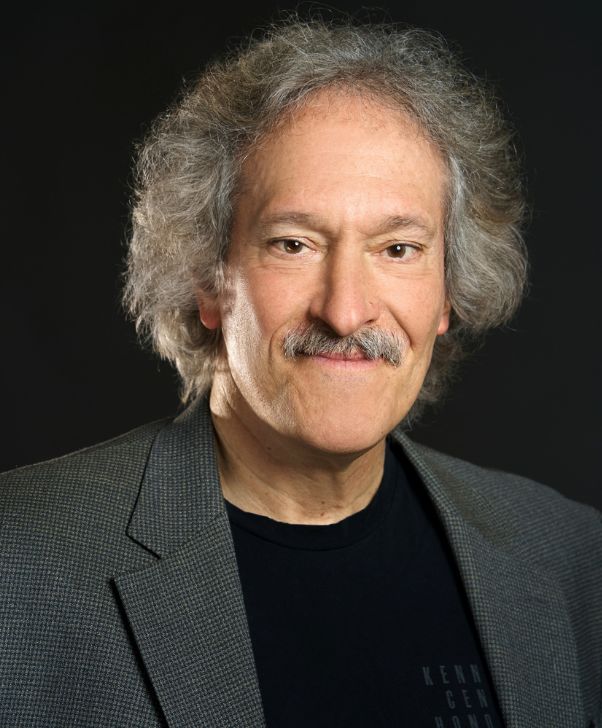
Dr. Ori Z. Soltes
Ori Z Soltes currently teaches theology, art history, philosophy, and political history at Georgetown University. He has also taught across diverse disciplines for many years at The Johns Hopkins University, Cleveland State University, Case Western Reserve University, Siegel College in Cleveland, and other colleges and universities.
Soltes has lectured at dozens of museums across the country, including the Metropolitan Museum of Art, the National Gallery of Art, the Smithsonian Institution, the Art Institute of Chicago, and the Los Angeles County Museum of Art. He has been interviewed for a score of programs on archaeological, religious, art, literary, and historical topics on CNN, the History Channel, and Discovery Channel, and he hosted a popular series on Ancient Civilizations for middle school students.
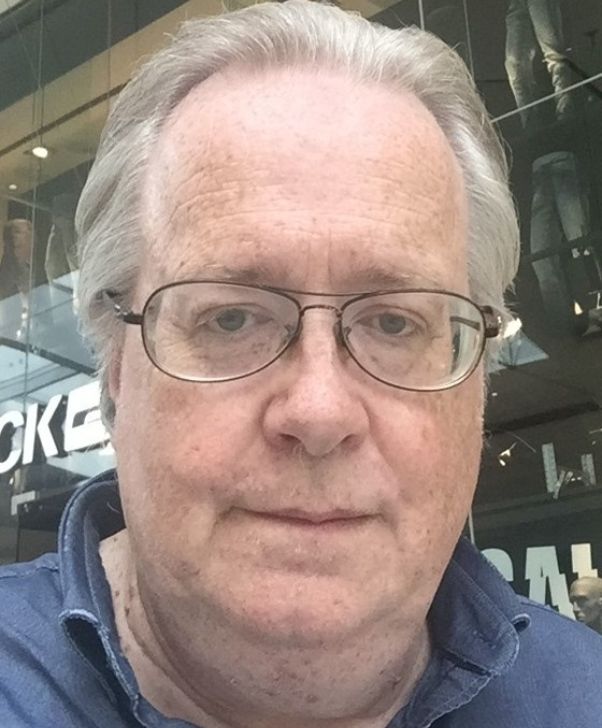
Prof. Paul Weller
Paul Weller lives between Germany and the UK. He is Emeritus Professor of the University of Derby; a Non-Stipendiary Research Fellow in Religion and Society at Regent’s Park College, University of Oxford, where he is an Associate Member of the Faculty of Theology and Religion; and a Visiting Professor in the Centre for Peace and Security of Coventry University. He has been an Adviser to the Dialogue Society, UK, over a number of years. He is author (both published in 2022) of Hizmet in Transitions: European Developments of a Turkish Muslim-Inspired Movement | SpringerLink and of Fethullah Gülen’s Teaching and Practice: Inheritance, Context, and Interactive Development | SpringerLink, as well as of a number of other publications concerning Fethullah Gülen and Hizmet. Beyond this, his academic and practical work specialises especially in relation to matters of religion and belief, state and society relationships, with a particular emphasis on equality, human rights, and freedom of religion or belief.
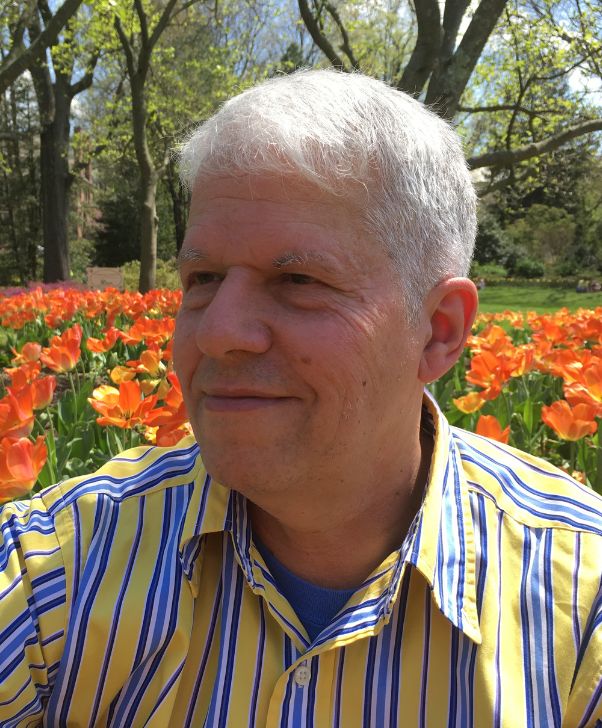
Dr. Pim (Wilhelmus G.B.M.) Valkenberg
Pim (Wilhelmus GBM) Valkenberg was born in the Netherlands, where he studied theology and religious studies at the University of Utrecht and the Catholic Theological University of Utrecht. He defended his dissertation on the place and function of Scripture in the theology of Saint Thomas Aquinas in 1990 and worked as an assistant professor of dogmatic theology and the theology of religions at the Catholic University of Nijmegen in the Netherlands. When the Department of Theology started a new program of religious studies, Dr Valkenberg specialized in the study of Islam and the dialogue between Abrahamic religions. He worked together with Jewish and Muslim foundations to develop dialogue programs. He was involved in exchange programs with Germany, Belgium, South Africa and Zimbabwe, and served as academic dean for education in new graduate programs for intercultural theology and interreligious studies. After a sabbatical leave at the University of Notre Dame in Indiana with Prof.David Burrell, Dr Valkenberg migrated with his family to Baltimore.
He was an associate professor of theology with special focus on Christian – Muslim relations at Loyola University Maryland between 2006 and 2011, and commuted to Washington D.C. between 2011 and 2023 as Ordinary Professor of Religion and Culture and Director of the Institute for Interreligious Study and Dialogue in the School of Theology and Religious Studies at the Catholic University of America. Among his publications in English are Words of the Living God (2000), The Three Rings (2005), Sharing Lights on the Way to God (2006), World Religions in Dialogue (2013, enhanced edition 2017), Renewing Islam By Service (2015), Nostra Aetate: Celebrating 50 Years of the Church’s Dialogue with Jews and Muslims (2016), No Power over God’s Bounty: A Christian Commentary on the “People of Scripture” in the Qur’ān (2021) and A Companion to Comparative Theology (2022). Dr Valkenberg lives in Baltimore with his wife Dr Theodora van Gaal and their children Yanah, Joris and Sophie. His children Irene and Anton, and grandchildren Julia, Sterre, and Rohan live near Maastricht in the Netherlands.
Dr. Pim (Wilhelmus G.B.M.) Valkenberg
Pim (Wilhelmus GBM) Valkenberg was born in the Netherlands, where he studied theology and religious studies at the University of Utrecht and the Catholic Theological University of Utrecht. He defended his dissertation on the place and function of Scripture in the theology of Saint Thomas Aquinas in 1990 and worked as an assistant professor of dogmatic theology and the theology of religions at the Catholic University of Nijmegen in the Netherlands. When the Department of Theology started a new program of religious studies, Dr Valkenberg specialized in the study of Islam and the dialogue between Abrahamic religions. He worked together with Jewish and Muslim foundations to develop dialogue programs. He was involved in exchange programs with Germany, Belgium, South Africa and Zimbabwe, and served as academic dean for education in new graduate programs for intercultural theology and interreligious studies. After a sabbatical leave at the University of Notre Dame in Indiana with Prof.David Burrell, Dr Valkenberg migrated with his family to Baltimore.
He was an associate professor of theology with special focus on Christian – Muslim relations at Loyola University Maryland between 2006 and 2011, and commuted to Washington D.C. between 2011 and 2023 as Ordinary Professor of Religion and Culture and Director of the Institute for Interreligious Study and Dialogue in the School of Theology and Religious Studies at the Catholic University of America. Among his publications in English are Words of the Living God (2000), The Three Rings (2005), Sharing Lights on the Way to God (2006), World Religions in Dialogue (2013, enhanced edition 2017), Renewing Islam By Service (2015), Nostra Aetate: Celebrating 50 Years of the Church’s Dialogue with Jews and Muslims (2016), No Power over God’s Bounty: A Christian Commentary on the “People of Scripture” in the Qur’ān (2021) and A Companion to Comparative Theology (2022). Dr Valkenberg lives in Baltimore with his wife Dr Theodora van Gaal and their children Yanah, Joris and Sophie. His children Irene and Anton, and grandchildren Julia, Sterre, and Rohan live near Maastricht in the Netherlands.
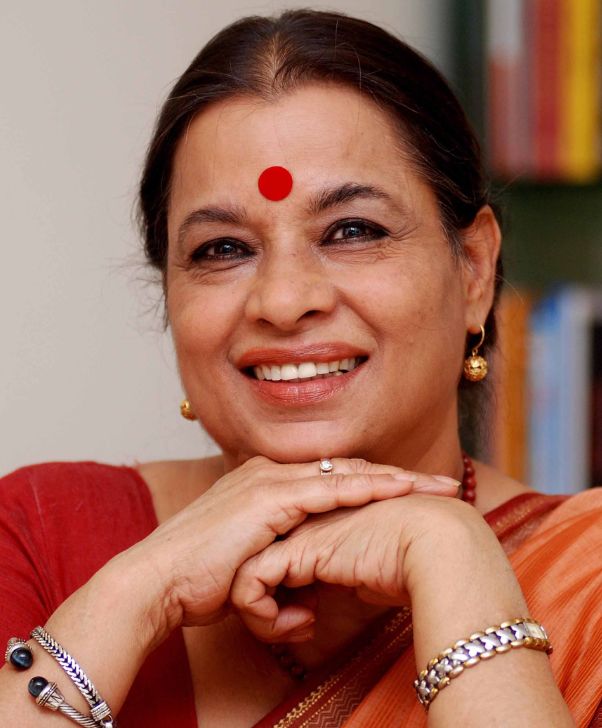
Dr. Ranjana Kumari
Ranjana Kumari is the Director of Centre for Social Research, New Delhi. She is a leading force in India’s feminist movement, combining rigorous research, strategic advocacy, coalition building, and grassroots engagement to push for systemic change towards gender equality and justice. Her work has had a significant impact on legislation, policy, and public discourse in India.
Dr. Reetu Jaiswal
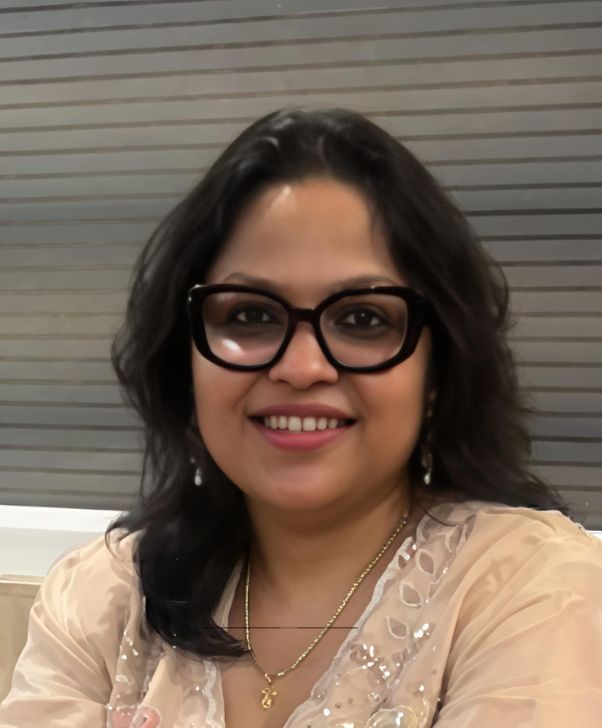
Reetu Jaiswal has been a faculty member in the Department of Philosophy at the University of Delhi since 2015. Her research interests encompass Social and Political Philosophy, Gender Studies, and Media Studies. She has delivered over 40 lectures at national and international forums and has several publications to her credit. Among her recent works are Why Do We Need to Discuss the Practice of Veiling?, co-authored with Puja Rai and published by Sophia, Springer (2024), and “Beyond Berlin: Sri Aurobindo’s Comprehensive Perspective on Freedom and Nation” in an ICPR published book on Indian Nationalism: A Reader (2025).
Dedicated to academic mentorship, she has supervised 8 Ph.D. theses, 1 Post-Doctoral project, and 6 M.Phil. dissertations. She was honored with the ‘Gandhi Award’ by Gandhi Bhawan, University of Delhi. She has been a visiting faculty member at IIM Rohtak in 2021, 2023 & 2025.
Dr Jaiswal is the mentor for the University of Delhi chapter of MAP (Minorities and Philosophy), an international initiative addressing inclusivity and minority representation in philosophy. Additionally, she convenes the Gender Champion Committee in her department.
Mr. Simon Robinson
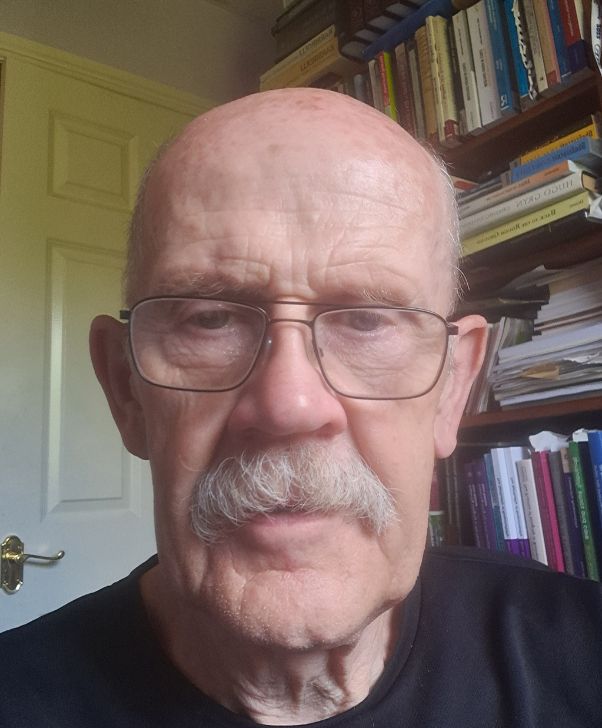
Educated at Oxford and Edinburgh Universities, Simon Robinson became a psychiatric social worker before entering the Church of England priesthood in 1978. He entered university chaplaincy at Heriot-Watt University and the University of Leeds, developing research and lecturing in areas of spirituality, ethics, and care, applied ethics, and business ethics. In 2004, he joined Leeds Beckett University, working in the faculties of Global Ethics, Sport, and Healthcare, and Leeds Business School.
He has written and researched extensively in: business ethics and corporate social responsibility; the nature and dynamics of responsibility; equality, ethics, and culture; spirituality, ethics, and care; governance and leadership ethics; ethics in higher education; and ethics and the Christian Church. He has worked on developing ethical cultures with the Council for Industry and Higher Education, various engineering, business, educational, healthcare professional bodies, and the UK Police.
Books include: Agape, Moral Meaning and Pastoral Counselling; Case Histories in Business Ethics; Spirituality and the Practice of Healthcare; Values in Higher Education; The Teaching and Practice of Professional Ethics; Engineering, Business and Professional Ethics; Spirituality and Sport; Spirituality, Ethics and Care; Ethics and the Alcohol Industry; Spirituality and Leadership; Business Ethics in Practice; The Practice of Integrity in Business; Islam in the West; The Spirituality of Responsibility: Fethullah Gulen and Islamic Thought; Nursing and Healthcare Ethics; Exploring Integrity in the Christian Church.
Mr. Simon Robinson
Educated at Oxford and Edinburgh Universities, Simon Robinson became a psychiatric social worker before entering the Church of England priesthood in 1978. He entered university chaplaincy at Heriot-Watt University and the University of Leeds, developing research and lecturing in areas of spirituality, ethics, and care, applied ethics, and business ethics. In 2004, he joined Leeds Beckett University, working in the faculties of Global Ethics, Sport, and Healthcare, and Leeds Business School.
He has written and researched extensively in: business ethics and corporate social responsibility; the nature and dynamics of responsibility; equality, ethics, and culture; spirituality, ethics, and care; governance and leadership ethics; ethics in higher education; and ethics and the Christian Church. He has worked on developing ethical cultures with the Council for Industry and Higher Education, various engineering, business, educational, healthcare professional bodies, and the UK Police.
Books include: Agape, Moral Meaning and Pastoral Counselling; Case Histories in Business Ethics; Spirituality and the Practice of Healthcare; Values in Higher Education; The Teaching and Practice of Professional Ethics; Engineering, Business and Professional Ethics; Spirituality and Sport; Spirituality, Ethics and Care; Ethics and the Alcohol Industry; Spirituality and Leadership; Business Ethics in Practice; The Practice of Integrity in Business; Islam in the West; The Spirituality of Responsibility: Fethullah Gulen and Islamic Thought; Nursing and Healthcare Ethics; Exploring Integrity in the Christian Church.
Prof. Sotirios S. Livas
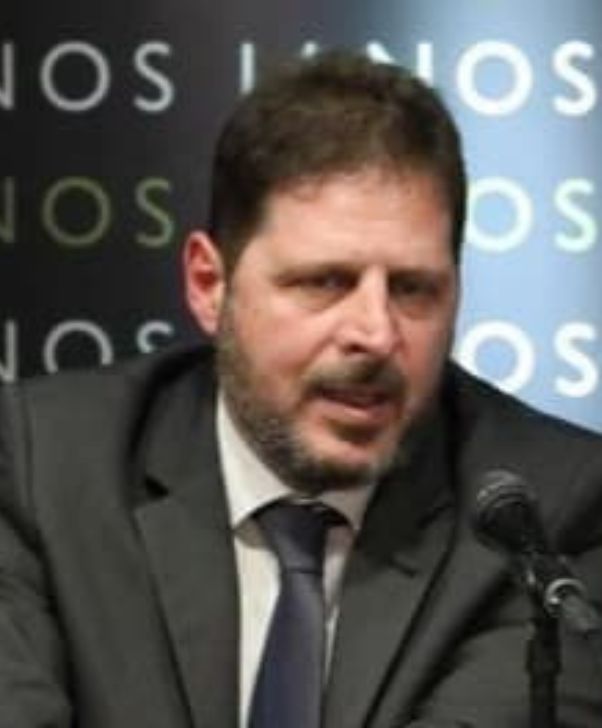
Sotirios S Livas has been a member of the teaching staff of Ionian University since 2001. Since 2021, he has been Professor of International Law, International Relations and Middle Eastern Area Studies. He also teaches at the University’s postgraduate programs (political discourse analysis and legal terminology). He has written and published extensively and is a frequent contributor and book reviewer to international journals (Geneology, International Journal of Translation, Interpreting and Intercultural Communication). He is member of the Scientific Board of various journals (Journal of Oriental and African Studies etc.) and has been project manager for the “Enhancing and building-up national capacity of migration and asylum strategic planning” project (joint project of the Ionian University and the Ministry of Immigration and Asylum) project funded under the EEA Financial Mechanism 2014-2021. He is a writer of seven books (one about Hizmet, being the first book in Greek about the movement) and has translated and edited twelve more.
Prof. Sreeram Chaulia
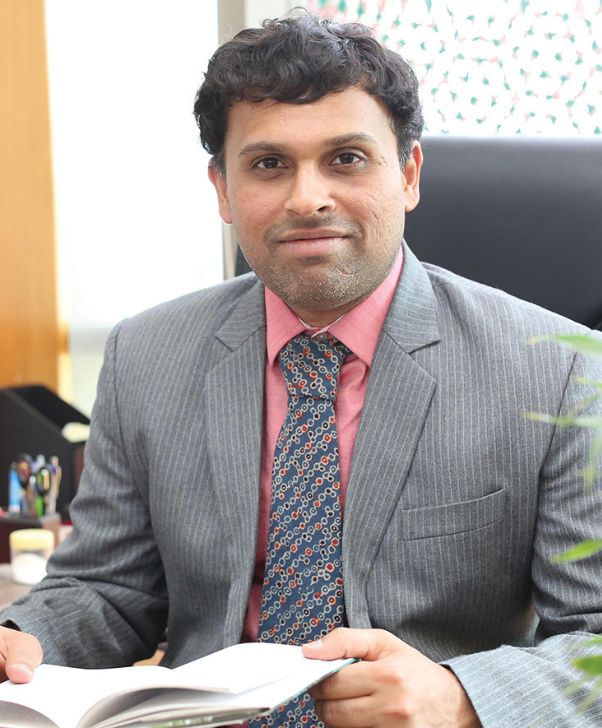
Sreeram Chaulia is currently the Professor and Dean, Jindal School of International Affairs (JSIA) and Director General, Jindal India Institute.
Prof Chaulia is a social scientist and an opinion maker on international issues. He holds a Doctorate (Ph.D.) and a Master of Arts (M.A.) in Political Science and International Relations from the Maxwell School of Citizenship and Public Affairs, Syracuse University, USA, and a Master of Science (MSc.) degree in History of International Relations at the London School of Economics and Political Science, UK. He was a Radhakrishnan British Chevening Scholar at the University of Oxford, UK, where he obtained a Bachelor of Arts (B.A.) in Modern History. He also has a Bachelor of Arts Honours (B.A. Hons.) from St. Stephen’s College, University of Delhi, India.
Professor Chaulia’s areas of specialisation include diplomacy, foreign policy, comparative politics, international political economy, international organisations, armed conflict, humanitarian practices, and contemporary world history. He teaches courses related to these subjects and has over one thousand publications in these domains.
Dr. Swasti Rao
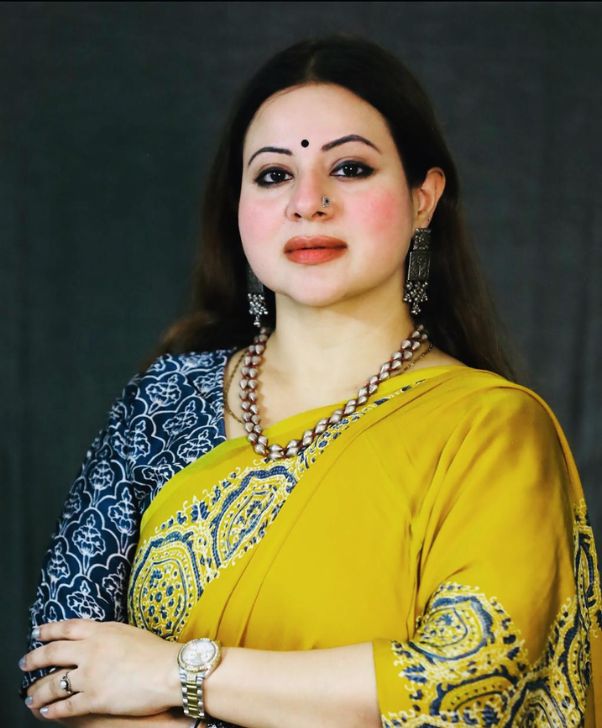
Swasti Rao is a Geopolitics and Defence Expert, Commentator and Author.
She is currently Associate Professor, Jindal School of International Studies, JGU and a Consulting Editor, Strategic and Int. Affairs for India’s leading media house, ThePrint.
She is also a geopolitical and defence advisor to the Ministry of Defence, GOI, for its flagship project, the UP Defence Industrial Corridor.
Additionally, she is a Non-Resident Fellow at Eastern Circles, Paris.
She was earlier a Fellow at MP-IDSA, India’s premier think-tank under the aegis of the Ministry of Defence. At MP-IDSA, Swasti had worked on projects for the PMO, MEA and MoD on European geopolitics, including India’s defence cooperation with its Western partners.
Recognised as a “Geopolitical Expert” by the UP Govt. India, for the G20 Summit in 2023, Dr. Rao was also honored as one of the under-40 Young Leaders by EICBI for substantiating India-Europe relations.
For her work on the Russia-Ukraine War, she was honoured by the Indian Air Force in 2024. The French Senate honoured her in 2025 for her contributions to India-France defence cooperation and strategic partnership.
She is affiliated with the EU-India Women’s Council and serves as a reviewer for the peer-reviewed publications by the National Maritime Foundation (NMF), India, and the Royal United Services Institute (RUSI), London.
Dr. Tarushikha Sarvesh
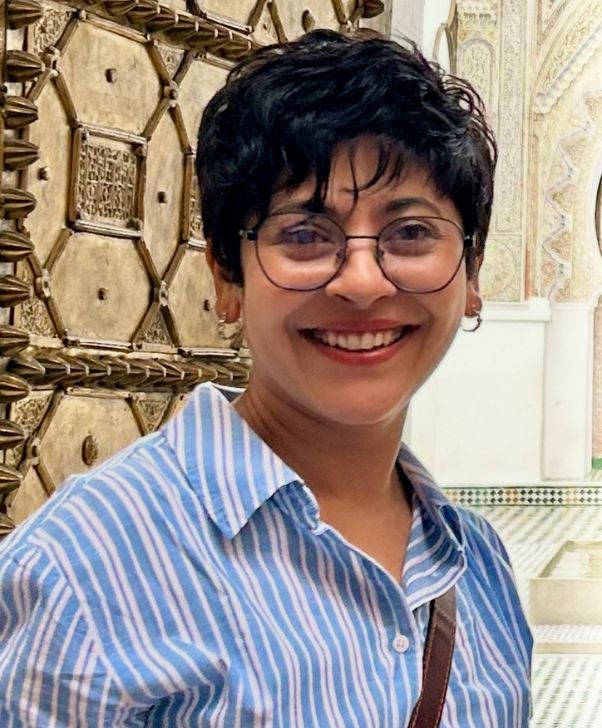
Tarushikha Sarvesh is an Assistant Professor of Sociology and Gender Studies at the Advanced Centre for Women’s Studies, Aligarh Muslim University. A trained journalist and researcher, she has previously taught at IGNOU, New Delhi, and holds degrees from premier institutions including Lady Shri Ram College (Delhi University), Jawaharlal Nehru University, IIT Kanpur, and G.B. Pant Social Science Institute (ICSSR).
She has led major projects supported by Massey University (New Zealand) and Indian Council of Social Science Research (ICSSR) on topics such as the gender digital divide in South Asia and social exclusion of women in Kashmir. Currently, she is directing an ICSSR-funded study on tribal identity and knowledge systems in Madhya Pradesh and the Sunderbans. Her work is rooted in field-based qualitative research, and she remains actively engaged in community outreach with underprivileged women.
Tarushikha serves as a reviewer for several journals published by SAGE and Taylor & Francis, and has published her own work in prominent national and international journals.